保温法兰截止阀

商品详情
性能特点
技术参数
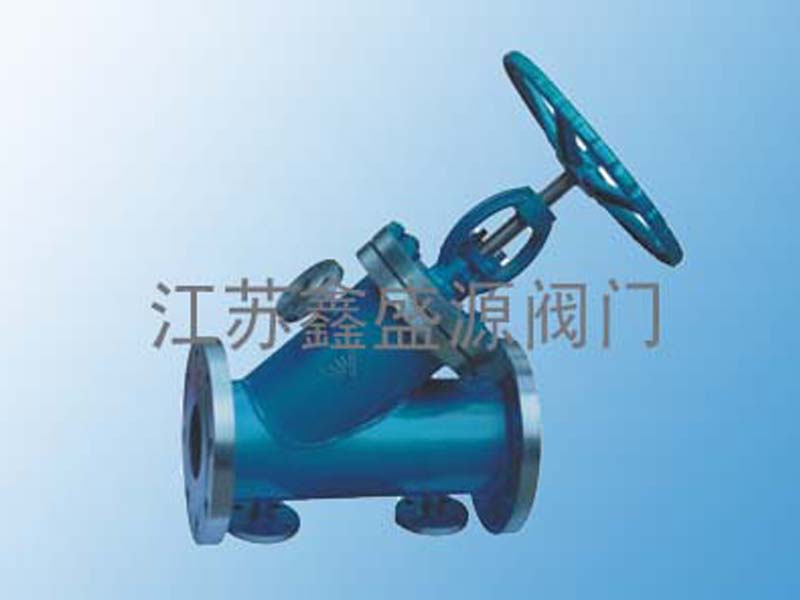
BJ45W保温法兰截止阀主要用于石油、化工、冶金、制药等各类系统中,以输送常温下会凝固的高粘度介质。
设计与制造:BS1873 BS5160 GB12233
法兰尺寸:ANSIB16.5 JB/T79 GB9113
压力温度:ANSIB16.34
结构长度:ANSIB16.10 BS1873 GB12221
对焊连接尺寸:ANSIB16.25
检验与实验:BS6755 GB/T13927
BJ45W保温法兰截止阀主要外形和连接尺寸:
| 公称通径 | 尺寸 | ||||||||
| L | D | D1 | D2 | b | 3-G | Z-d | H | D0 | |
| 15 | 130 | 105 | 75 | 55 | 14 | 3/8 | 4-14 | 175 | 180 |
| 20 | 150 | 115 | 85 | 68 | 14 | 3/8 | 4-14 | 185 | 180 |
| 25 | 160 | 135 | 100 | 78 | 16 | 3/8 | 4-18 | 210 | 200 |
| 32 | 180 | 145 | 110 | 85 | 16 | 3/8 | 4-18 | 350 | 200 |
| 40 | 200 | 160 | 125 | 100 | 16 | 3/8 | 4-18 | 360 | 200 |
| 50 | 250 | 180 | 145 | 120 | 18 | 1/2 | 4-18 | 380 | 240 |
| 65 | 265 | 195 | 160 | 135 | 20 | 1/2 | 8-18 | 440 | 240 |
| 80 | 280 | 215 | 180 | 155 | 20 | 1/2 | 8-18 | 510 | 280 |
| 100 | 300 | 245 | 210 | 185 | 22 | 1/2 | 8-18 | 620 | 320 |
| 125 | 325 | 280 | 240 | 210 | 24 | 1/2 | 8-23 | 680 | 360 |
| 150 | 350 | 335 | 295 | 265 | 26 | 1/2 | 12-23 | 818 | 360 |
| 200 | 400 | 405 | 355 | 320 | 30 | 1/2 | 12-25 | 1200 | 400 |
| 250 | 450 | 460 | 410 | 375 | 30 | 1/2 | 12-25 | 1450 | 450 |
| 300 | 500 | 520 | 470 | 435 | 34 | 1/2 | 16-25 | 1600 | 500 |
保温法兰截止阀
保温法兰截止阀是一种特殊设计的法兰连接截止阀,其阀体外部带有夹套保温层(Jacket)。该夹套层通常通过焊接或铸造与阀体形成一个整体空腔,用于循环蒸汽、热油或其他保温介质,从而对阀体内部流经的工艺介质进行加热、保温或维持其流动性,防止因温度下降而凝结、结晶或粘度增加。
保温法兰截止阀主要特点:
保温功能: 核心特点是其夹套设计,确保阀门、阀座和通道内的介质温度均匀,防止热量损失。
维持流动性: 有效防止高熔点、高粘度或易结晶的介质(如重油、沥青、硫磺、石蜡、尿素等)在阀门内凝固,能使阀门正常启闭和管线的畅通。
保温法兰截止阀法兰连接: 阀门的进出口为法兰式,符合国家标准(如GB)国家标准(如ANSI、DIN),便于安装和拆卸。
操作稳定: 在保持普通截止阀密封性好、维修方便等优点的同时,解决了特殊介质工况下的保温难题。
材质多样: 阀体常用碳钢(WCB)、不锈钢(304、316)等,夹套层材质通常与阀体一致。
保温法兰截止阀工作原理:
在阀门的夹套层上通常设有两个接口(入口和出口)。工作时,外部热源提供的热媒(如蒸汽)从夹套入口进入,充满阀体周围的空腔,通过热交换对阀体内部进行加热,然后从夹套出口回流,形成一个连续的循环加热系统。
保温法兰截止阀应用领域:
广泛应用于石油、化工、制药、食品、沥青处理、聚酯等行业中需要保温伴热的工艺管线,特别适用于输送易凝固、高粘度介质的场合。
Jacketed Flanged Globe Valve Product Overview
Product Definition:
A Jacketed Flanged Globe Valve is a specially designed flanged globe valve featuring an external jacket insulation layer around the body. This jacket, typically integrated by welding casting, forms a hollow cavity surrounding the body. It is designed to circulate a heating medium such as steam, thermal oil, other fluids to heat maintain the temperature of the process media flowing through the valve. This prevents the media solidifying, crystallizing, increasing in viscosity due to temperature drop.
Key Features:
Thermal Maintenance: The core feature is its jacketed design, which ensures uniform temperature of the media within the valve, seat, passage, preventing heat loss.
Maintains Fluidity: Effectively prevents media with high melting points, high viscosity, prone to crystallization (e.g., heavy oil, asphalt, sulfur, wax, urea) solidifying inside the valve, ensuring normal operation unobstructed pipeline flow.
Flanged Connection: The valve ends are flanged, complying with national standards (e.g., GB) international standards (e.g., ANSI, DIN, JIS), facilitating easy installation removal.
Reliable Operation: Retains the advantages of standard globe valves, such as reliable sealing ease of maintenance, while solving thermal maintenance challenges in specific media applications.
Diverse Materials: The body is commonly made carbon steel (WCB), stainless steel (SS304, SS316), etc. The jacket material is usually the same as the valve body.
Working Principle:
The valve jacket is typically equipped with two connections (inlet outlet). During operation, a heating medium (e.g., steam) an external source enters through the jacket inlet, fills the cavity around the body, heats the internal valve contents through heat exchange, then returns via the jacket outlet, forming a continuous circulation heating system.
Application Fields:
Widely used in industries such as petroleum, chemical processing, pharmaceuticals, food processing, asphalt handling, polyester production—specifically in process pipelines requiring heat tracing thermal maintenance. It is particularly suited for applications involving media that are prone to solidification have high viscosity.